By Timothy S. Donahue
Top Takeaways:
- Lawsuit filed: Minnesota AG Keith Ellison has sued Maduro Distributors, alleging that its Loon brand illegally markets flavored vaping products.
- FDA challenged: The complaint also alleges that Loon falsely suggested it had FDA authorization by claiming it was “accepted for PMTA approval.”
- Industry warning: The lawsuit signals Minnesota’s willingness to aggressively enforce its 2024 law that restricts youth-appealing vapes.
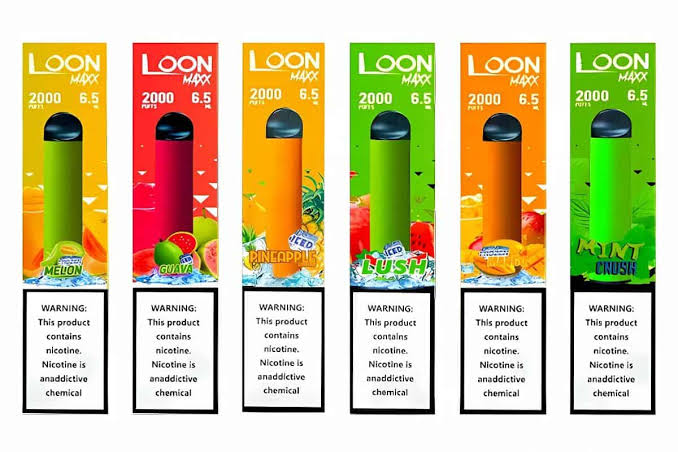
Minnesota Attorney General Keith Ellison has sued the manufacturer of Loon vaping products, alleging the company continued to sell youth-appealing flavored vapes and misled consumers about the FDA status of its products despite repeated warnings from the state.
The lawsuit, filed July 15 in the Ramsey County District Court, names Maduro Distributors Inc., which does business as Loon, and seeks a permanent injunction, civil penalties, restitution, and other relief for alleged violations of Minnesota’s deceptive vapor products law and consumer protection statutes.
According to the complaint, Loon marketed disposable and refillable vaping products in flavors such as Cotton Candy, Strawberry Popsicle, Banana Taffy, Blue Razz Slushy, and Mountain Dude, and used imagery and characters that allegedly appeal to children. The attorney general’s office also cited products referencing Bowser from Nintendo’s Super Mario franchise, mythical creatures, and soda brands.
“Today, I filed a lawsuit to halt the distribution and sale of Loon vapes in Minnesota,” Ellison said. “State law bans the sale of e-cigarettes that are designed to appeal to young people. By selling vapes with flavors like Cotton Candy, Blue Razz Slushy, and Mountain Dude, Loon is in clear violation of that law.
“I have no tolerance for corporations that prey on young people to turn a profit, from big tobacco to big tech and beyond.”
Maduro Distributors disputes the allegations.
Attorney Eric Heyer, a partner at Thompson Hine, who represents Maduro, stated that Loon had changed its flavor names before the law took effect and removed the FDA-related language from a third-party website after the issue was raised. He said the company had cooperated extensively with the attorney general’s investigation.
“Maduro is disappointed that despite its extensive efforts to cooperate with the Attorney General’s Office and the substantial evidence Maduro has provided that its products are not widely used by youth, the office has now, almost two years later, elected to file a complaint,” Heyer said.
The complaint also alleges Loon misrepresented the regulatory status of its products by advertising them as “accepted for PMTA approval from the FDA.”
The attorney general argues that although the FDA may accept a premarket tobacco product application (PMTA) for review, that procedural step does not constitute authorization to market a product. According to the FDA website, none of Loon’s vaping products have received FDA marketing authorization.
The case follows several years of escalating enforcement. Minnesota enacted its deceptive vapor products law in 2024, prohibiting vaping products that mimic candy, desserts, beverages, or other items commonly marketed to minors, or that use characters, personalities, or symbols likely to appeal to youth.
In August 2024, Ellison’s office sent warning letters to more than 5,000 tobacco distributors and retailers, including Loon, and in January 2025 launched a formal investigation into the company.
The lawsuit is the latest in a series of actions by Ellison targeting nicotine companies. His office previously secured a $60.5 million settlement with Juul and Altria and obtained a settlement barring High Light Vapes from doing business in Minnesota after alleging it sold highlighter-shaped vaping devices designed to be concealed in schools.