By Timothy S. Donahue
Top Takeaways:
- FDA prevails again: The U.S. Court of Appeals for the Ninth Circuit upheld the FDA’s denial of Drip More LLC’s applications to market flavored vaping products.
- High evidentiary bar reinforced: The ruling continues a series of appellate decisions affirming the FDA’s requirement that manufacturers demonstrate flavored products provide benefits to adult smokers.
- Growing legal momentum: The decision adds to the FDA’s recent courtroom successes following the U.S. Supreme Court’s April 2025 decision in FDA v. Wages and White Lion Investments.
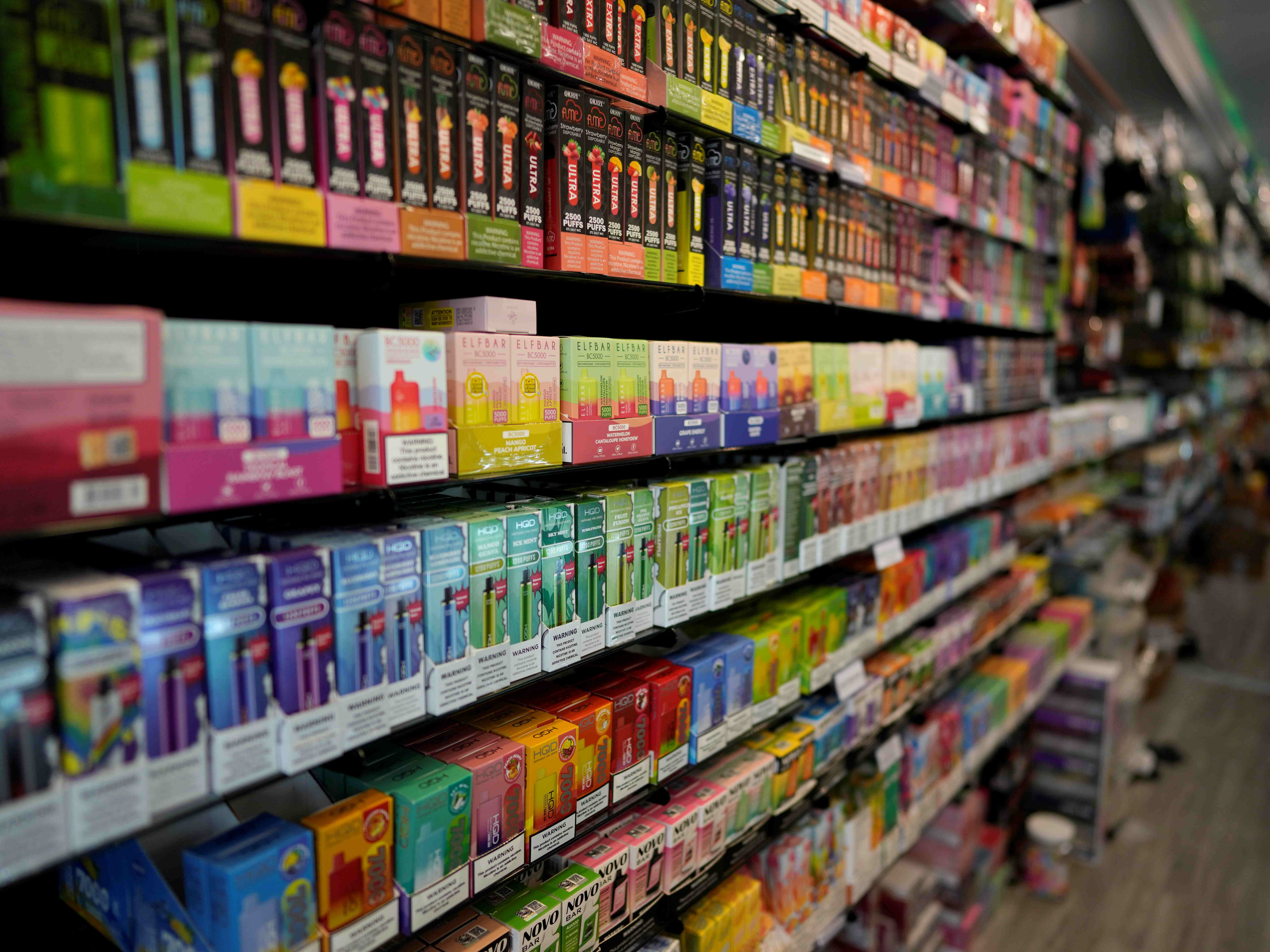
Another flavored vape challenge has failed. On Monday, the Ninth Circuit upheld the U.S. Food and Drug Administration’s denial of premarket tobacco product applications (PMTAs) submitted by Drip More LLC, ruling that the company failed to demonstrate that its fruit- and candy-flavored vaping products would provide sufficient public health benefits to outweigh the risks of youth use.
The decision affirms the FDA’s marketing denial orders for Drip More’s flavored electronic nicotine delivery system (ENDS) products and marks another appellate victory for the agency as it continues to defend its review of flavored vaping applications.
The court concluded that Drip More did not provide the type of product-specific scientific evidence the FDA has consistently said is necessary for flavored ENDS products seeking marketing authorization. In particular, the company failed to show that its flavored products would help adult smokers switch completely from combustible cigarettes to a degree sufficient to offset the increased risk that such flavors could attract youth.
“Drip More has not shown that the FDA acted arbitrarily or capriciously in determining that its applications lacked sufficient evidence demonstrating that the flavored products would provide a benefit to adult smokers adequate to outweigh the known risks to youth,” the decision states.
During the hearing in June, the company’s attorney, Eric Gotting of Keller and Heckman LLP, told the court that National Youth Tobacco Survey data from 2019 to 2021 showed no youth respondents reported using Drip More products. “Not a single minor in 2019, 2020, 2021 identified this product,” Gotting argued.
FDA attorney Ben Lewis responded that youth-risk evidence does not depend on whether a specific brand appears in survey data. Lewis used the recently authorized Glas products to explain FDA’s position that the comparative-efficacy inquiry is tied to youth risk rather than functioning as a de facto flavor ban.
The ruling is significant because it further strengthens the legal foundation for the FDA’s PMTA review process.
Since 2021, the agency has denied marketing authorization for millions of flavored ENDS products, arguing that applicants generally failed to provide robust scientific evidence demonstrating a net public health benefit under the Family Smoking Prevention and Tobacco Control Act.
Those denials have prompted dozens of legal challenges in federal appellate courts. While early decisions produced conflicting outcomes, the legal landscape shifted significantly after the U.S. Supreme Court’s April 2025 unanimous decision in FDA v. Wages and White Lion Investments, LLC.
In that case, the Court held that the FDA’s denial of flavored vape applications was not arbitrary or capricious and reaffirmed the agency’s broad authority to assess whether flavored products meet the statutory public health standard.
Since that decision, the FDA has generally been more successful in defending its PMTA determinations in federal court.
For manufacturers, the Ninth Circuit’s ruling underscores the ongoing difficulty of obtaining authorization for flavored vaping products. The court’s decision reinforces that applicants must provide compelling scientific evidence demonstrating that individual flavored products meaningfully increase complete switching among adult smokers while adequately addressing youth appeal.