By Timothy S. Donahue
Top Takeaways:
- Joint push: Cuba, Dominican Republic and Honduras sought a premium cigar exemption.
- UK resists: Health officials warned an exemption could create a regulatory loophole.
- Trade stakes: The countries raised concerns about an unjustified barrier to trade.
Premium cigars have sparked a diplomatic fight.
Cuba, the Dominican Republic, and Honduras have jointly urged the British government to exempt premium handmade cigars from new tobacco restrictions, warning that the measures threaten an economically and culturally important industry throughout Latin America.
In late 2025, the ambassadors of the three major cigar-producing countries wrote directly to the British prime minister, seeking an exemption or moratorium on premium cigars under the Tobacco and Vapes Bill, according to correspondence reportedly obtained by L’Amateur de Cigare.
The legislation would progressively prohibit tobacco sales by age, preventing people born on or after Jan. 1, 2009, from legally purchasing tobacco products as the minimum purchasing age rises each year.
The cigar-producing countries argued that handmade premium cigars warrant different treatment from mass-market cigarettes, given their consumption patterns and limited role in youth tobacco initiation.
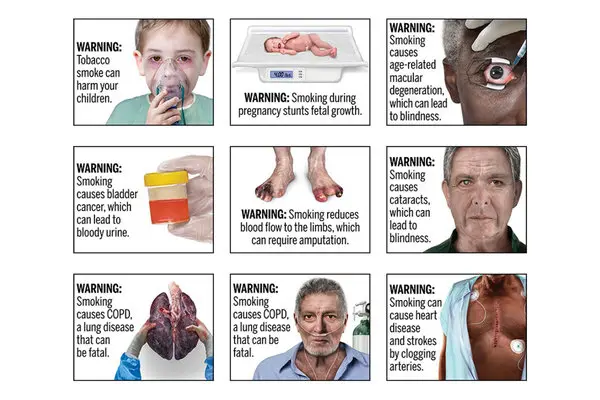
Their campaign has taken on added significance as the UK considers packaging restrictions on tobacco products. The cigar producing countries emphasized the economic importance of premium cigar production, noting that the industry supports more than 400,000 people across Latin America, particularly women and smallholder farmers in rural communities.
They also presented cigars as heritage products closely tied to their countries of origin. The diplomats compared premium cigars to traditional British products, such as Scotch whisky, English gin, and Welsh cider, arguing that regulation that fails to recognize the distinctive characteristics of handmade cigars could damage products that share similar cultural and geographic significance.
That argument carries particular weight for the Dominican Republic, which is a large importer of British spirits. The British government has so far rejected the case for differential treatment.
According to the correspondence, the Department of Health argued that creating exemptions could create a regulatory “loophole” and maintained that cigars should remain within the broader tobacco-control framework.
The response to the ambassadors also became part of the dispute.
Rather than receiving a response from the prime minister, the diplomats received a reply from Parliamentary Under-Secretary of State for Public Health Ashley Dalton. Media reports suggest that the three countries view the handling of their appeal as a diplomatic snub and that subsequent approaches from their embassies went unanswered.
The disagreement could eventually extend beyond British tobacco policy.
The three countries characterized aspects of the proposed restrictions as an “unjustified barrier to trade,” a phrase that raises the possibility of a future international trade challenge if the governments decide to pursue one.
There is precedent for such a dispute.
Cuba, along with several other tobacco-producing countries, previously challenged Australia’s tobacco plain-packaging requirements at the World Trade Organization. The WTO ultimately rejected the challenges, leaving Australia’s requirements in place.
The UK dispute has not reached that stage, and the three governments have not announced a case at the WTO.
Their coordinated lobbying nevertheless demonstrates the economic importance of premium cigars to some Latin American governments and their willingness to distinguish handmade cigars from cigarettes in international tobacco-policy debates.