By Timothy S. Donahue
Top Takeaways:
- Rule rethink: FDA is reportedly preparing to revisit its 2021 PMTA rule governing what manufacturers must submit to obtain authorization for new tobacco products.
- Faster reviews: Changes could simplify some scientific-study requirements and accelerate reviews of vaping products and nicotine pouches.
- Koplow connection: The reported changes closely follow CTP Director Bret Koplow’s recent comments about moving away from “one-size-fits-all” reviews and getting lower-risk products authorized faster.
The FDA may be preparing to rewrite the PMTA playbook.
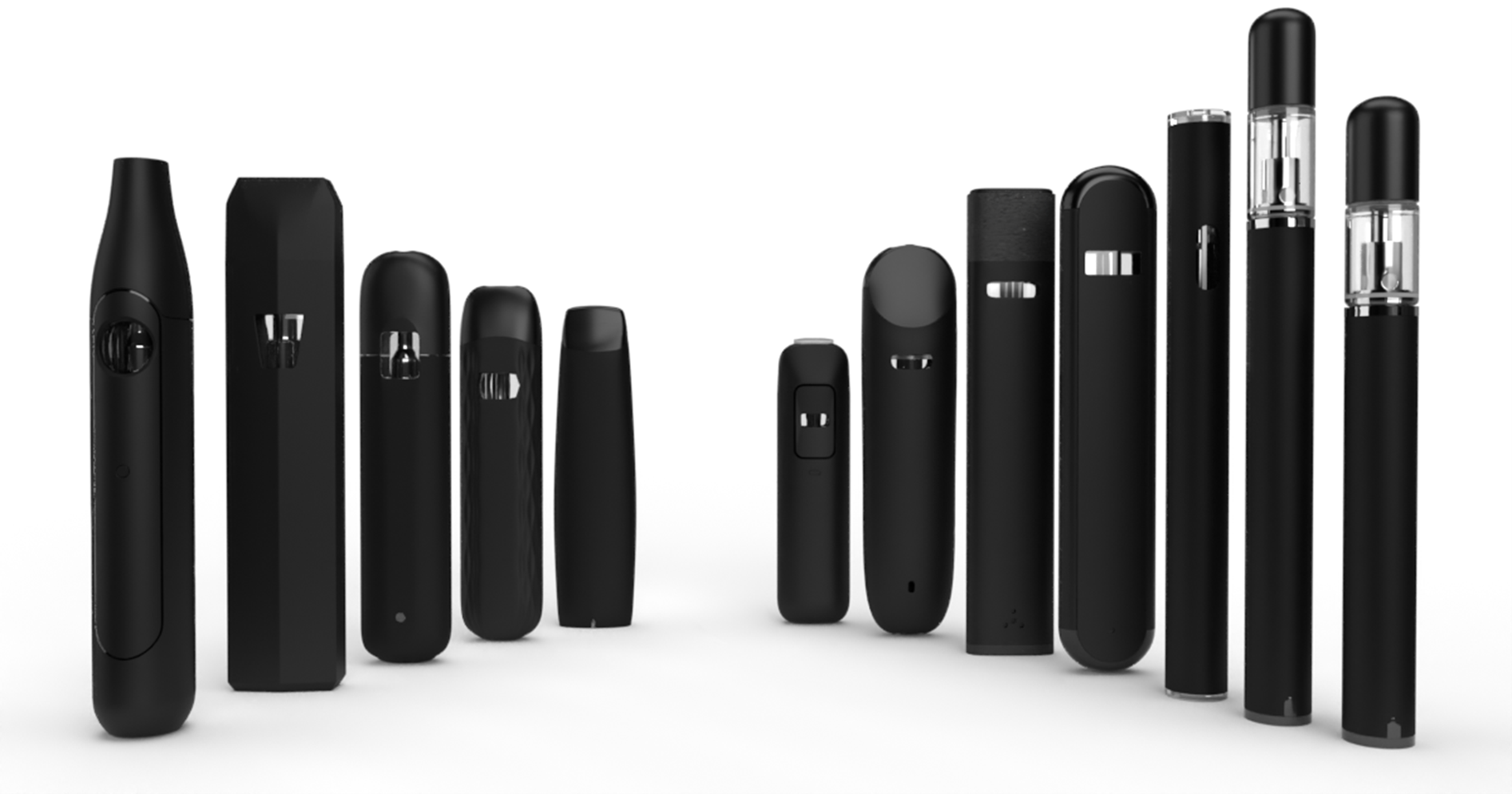
The U.S. Food and Drug Administration is expected to announce measures in the coming days to expedite the authorization of e-cigarettes, nicotine pouches, and other tobacco products, potentially including a review of the agency’s 2021 final rule governing premarket tobacco product applications (PMTAs).
Wednesday, The Wall Street Journal reported that the Trump administration plans to change the regulatory process to make it easier and faster for qualifying tobacco products to obtain marketing authorization, citing people familiar with the matter.
According to the report, changes under consideration include simplifying requirements for certain scientific studies and accelerating review timelines. Nicotine Insider has not independently verified the Journal’s reporting. As of Thursday, the FDA had not publicly announced the changes.
“The FDA has never once met its deadline set by Congress for review of non-combustible tobacco products like vapes and nicotine pouches. And while they have authorized thousands of new combustible products, they’ve authorized fewer than 100 reduced risk products,” Laura Leigh Oyler, VP, Regulatory Affairs, Haypp Group USA, told Nicotine Insider. “An overhaul isn’t just welcome, it’s necessary to bring the FDA in line with what Americans should expect from their government — an agency that complies with the laws laid out by their representatives.
“The influx of foreign, illicit products is just one side-effect of the current regulatory process, which clearly isn’t working to approve products that can help shift our country away from harmful cigarettes. Solving this issue will do more than just harm bad foreign actors, it will benefit Americans as well.”
If implemented, revisiting the 2021 rule could be one of the most significant changes to the PMTA process since the FDA finalized the regulation five years ago.
The final rule, published in October 2021 and effective the following month, establishes the content and format requirements for PMTAs and the information manufacturers must provide for the FDA to conduct a substantive review.
That includes information on product composition, manufacturing, health risks, population effects, environmental considerations, and other evidence the FDA uses to determine whether marketing a product is “appropriate for the protection of the public health.”
The reported changes also closely align with what Center for Tobacco Products Director Bret Koplow told industry representatives earlier this month at the Global Tobacco & Nicotine Forum (GTNF).
Koplow said CTP is increasingly tailoring scientific reviews to individual product categories rather than applying the same review structure across products with dramatically different risk profiles. “We’re very much mindful that we should not be taking a one-size-fits-all approach,” Koplow said.
CTP has already begun testing that philosophy.
In September 2025, the FDA launched a nicotine pouch pilot to assess whether it could streamline PMTA reviews without compromising its scientific standards. Among the changes were increased real-time communication with applicants and efforts to tailor reviews to the characteristics of nicotine pouches.
The first six authorizations under the program were completed in less than 180 days, a timeframe FDA described as record time. The agency has since authorized additional pouch products, including four on! products in August and 11 ZYN Ultra products later that month.
Koplow also disclosed at GTNF that CTP is piloting another approach that has attracted considerably less public attention: a supplemental PMTA process for relatively minor changes to products already authorized for marketing.
“The fastest way for us to do that is to take a product that has already been authorized, and maybe there are improvements, or maybe there are minor changes that give them a new niche,” Koplow said. “If we’ve already assessed the manufacturing process, we can rely on a lot of the parts of the application that we’ve already reviewed.”
CTP is already working with companies in that pilot. “I’m excited about it because I think it will facilitate getting more products authorized faster,” Koplow said.
The FDA has been making other changes intended to accelerate the process.
In May, Koplow said CTP had reduced its backlog of tobacco product applications by about 70% in 2025 and was applying lessons learned from actions taken on PMTAs covering nearly 27 million tobacco products.
At GTNF, Koplow said acceptance reviews were generally completed within one to three weeks, and filing reviews in about 21 days. “Everything still takes longer than we want,” he said.
The agency has also become more receptive to pre-submission meetings with manufacturers, allowing companies to discuss proposed scientific programs before spending hundreds of thousands or millions of dollars on studies that may not provide the FDA with the evidence it needs.
“If these products ultimately are (appropriate for the protection of public health) APPH, we don’t want to see a waste of time in bringing them to market because it’s our public health mission to make them available,” Koplow said at GTNF. “When an applicant gets a marketing granted order, it’s a success for the applicant. It’s a success for us.”
The reported regulatory overhaul coincides with a significant change in the FDA’s approach to nicotine products.
In May, the FDA authorized four Glas vaping products, including the first non-tobacco, non-menthol flavored e-cigarettes to receive marketing authorization. The products incorporate access-restriction technology intended to reduce youth use.
FDA followed up with a series of nicotine pouch authorizations in August and authorized the JUUL2 device and tobacco- and menthol-flavored pods on Aug. 28.
FDA said its JUUL2 review found that a substantial proportion of adults who smoked completely switched from cigarettes to the products, with the menthol pod producing a higher complete-switching rate than the tobacco-flavored version.
Koplow has also increasingly made tobacco harm reduction central to CTP’s regulatory strategy. At GTNF, he said one of the agency’s three priorities is helping Americans who continue to smoke either stop or switch completely to products that pose significantly lower health risks.
Complete cessation remains the healthiest outcome, he said, but adults who cannot quit may substantially reduce their exposure to harmful chemicals by switching completely to an FDA-authorized lower-risk product. “That’s not a commercial claim,” Koplow said. “It’s a scientific one.”
The specifics of any changes to the PMTA rule — and exactly which scientific requirements the FDA could modify — will not be known until the administration formally announces its plans. But the direction is becoming increasingly clear.
FDA wants more qualifying products moving through the system, and it wants them through faster.