By Timothy S. Donahue
Top Takeaways:
- Dismissal fight: Direct purchasers of CCell vaping products say their amended antitrust complaint contains enough evidence to support allegations of a price-fixing and customer-allocation conspiracy.
- Smoore dispute: Smoore and several distributors argue the allegations describe ordinary manufacturer-distributor relationships rather than an illegal horizontal agreement.
- MDL continues: The litigation, consolidated in California federal court last year, accuses the companies of conspiring to inflate prices for CCell closed cannabis-oil vaping systems and components.
There was nothing ordinary about it, the vape buyers say.
Direct purchasers of CCell vaping products are pushing back against another attempt to dismiss sprawling antitrust litigation that accuses Chinese manufacturer Smoore and several U.S. distributors of conspiring to fix prices and divide customers for CCell cannabis-vapor hardware.
In a Sept. 22 filing, the purchasers argued that their amended complaint contains new allegations showing that the relationships went beyond normal dealings between a manufacturer and its distributors.
The dispute is part of multidistrict litigation pending before U.S. District Judge Vince Chhabria in the Northern District of California.
The direct-purchaser plaintiffs are Meridian Partners II LLC and Redbud Roots Inc.
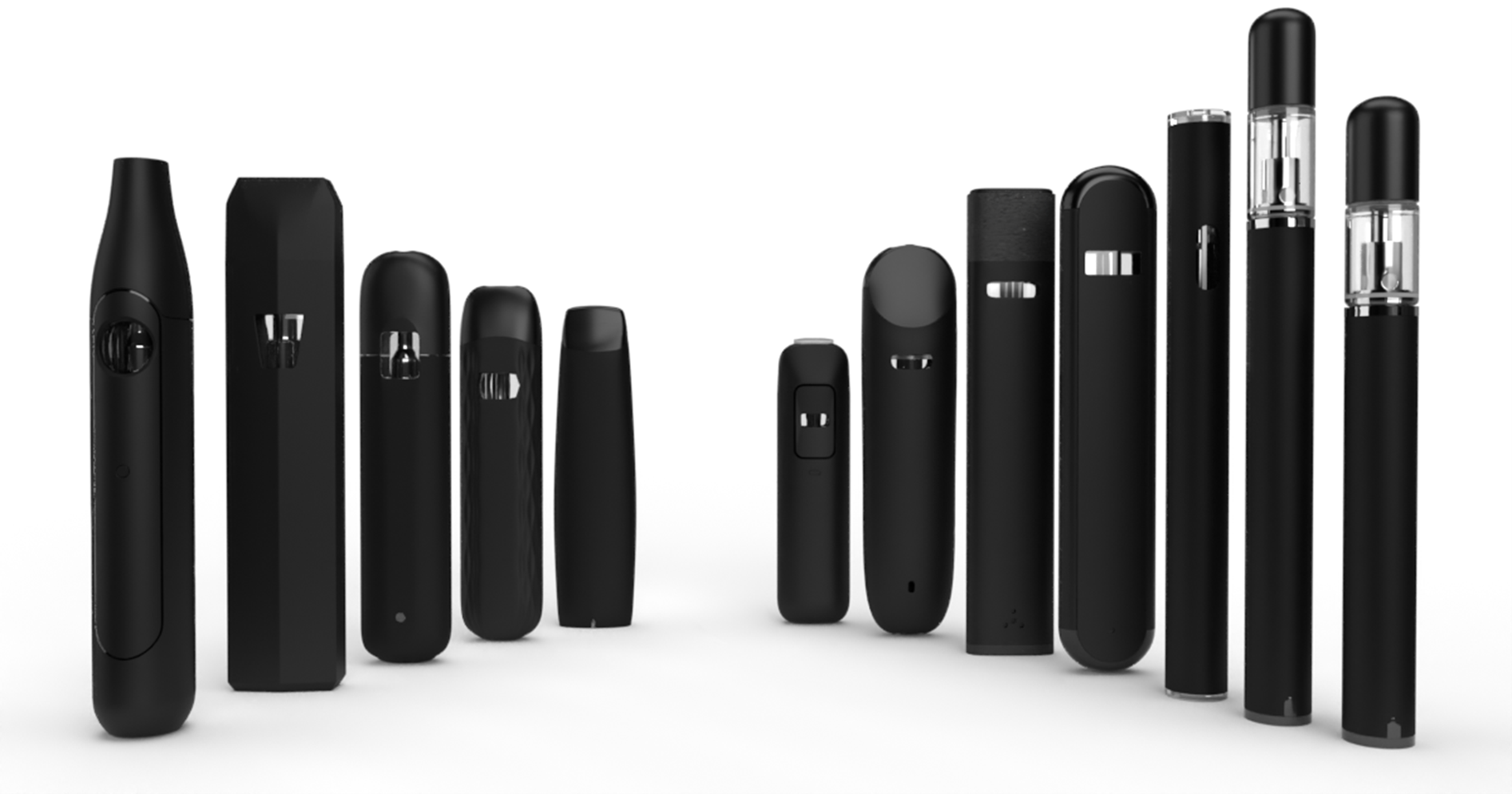
Their claims center on CCell’s closed cannabis-oil vaporization systems and components, manufactured by Shenzhen-based Smoore and sold through U.S. distributors.
Earlier this month, Smoore and the distributors moved to dismiss the amended complaint, arguing that the plaintiffs still have not plausibly alleged an inherently illegal price-fixing or customer-allocation conspiracy.
The defendants characterized the conduct described in the complaint as “ordinary” business dealings rather than as evidence of an unlawful horizontal agreement.
The purchasers disagree.
They contend that the additional allegations in their amended complaint support an inference that Smoore and its distributors coordinated pricing and allocated customers rather than competing independently for business.
The fight is the latest round in litigation that began with several proposed antitrust class actions accusing Smoore and its U.S. distributors of keeping artificially high prices for CCell products.
In October 2025, five proposed antitrust class actions were consolidated in the Northern District of California as CCell Closed Cannabis Oil Vaporization Systems and Components Products Antitrust Litigation. The litigation has since prompted repeated attempts by Smoore and the distributors to dismiss the antitrust claims.
In February, the companies sought dismissal of earlier claims, challenging both the purchasers’ standing and the complaints’ plausibility of establishing a price-fixing conspiracy.
The purchasers later amended their allegations.
The defendants returned to court on Sept. 10, arguing that the new complaint still fails to bridge the gap between coordinated business arrangements and the horizontal agreement required to support the purchasers’ antitrust theory.
The Sept. 22 opposition puts that question back before Chhabria: whether the additional allegations are sufficient to allow the price-fixing case to move forward.
The court has not yet ruled on the latest dismissal request.
The allegations have not been substantiated, and Smoore and the other defendants deny that the business arrangements constituted an unlawful antitrust conspiracy.