Top Takeaways:
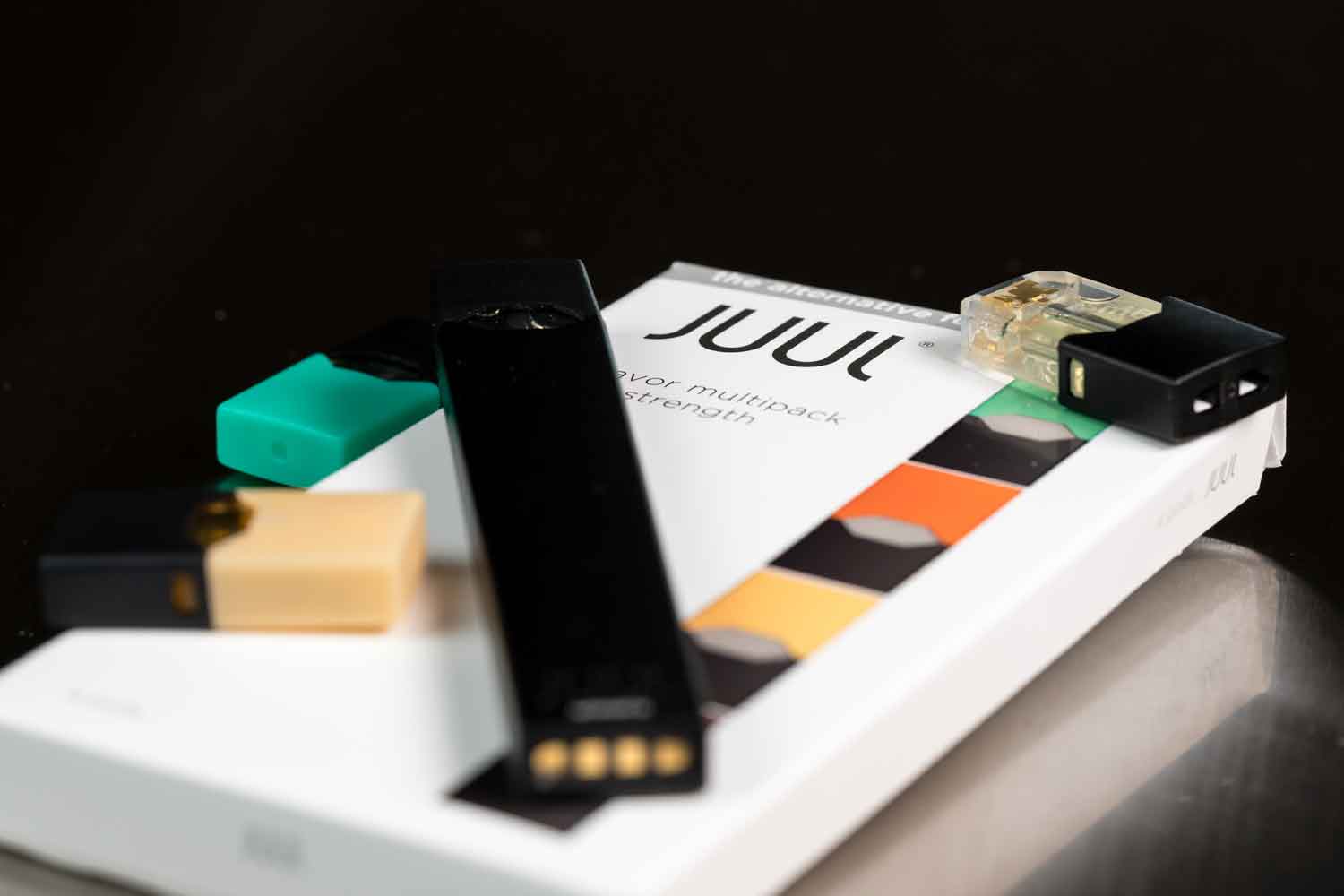
- The Senate letter from eight Democratic senators, led by Senator Dick Durbin, formally questions the FDA’s reversal in authorizing JUUL’s tobacco‑ and menthol‑flavored e‑cigarette products, citing JUUL’s prominent role in youth vaping public health concerns.
- The letter demands detailed explanations for how JUUL transformed its 2022 marketing denial order (MDO) into a granted premarket tobacco product application (PMTA) authorization by mid‑July 2025. It seeks clarity on how youth addiction risks, flavor appeal, and JUUL’s marketing record were assessed.
- It highlights specific issues, including JUUL’s previous deceptive youth‑focused programs, large state settlements (totaling over $1.1 billion), and the absence of FDA‑validated evidence for age‑lock technology—all crucial to evaluating whether these products truly meet the public health standard set by law.
A coalition of eight Democratic senators, led by U.S. Senate Democratic Whip Dick Durbin, has formally asked U.S. Food and Drug Administration Commissioner Martin Makary to explain how Juul Labs’ tobacco‑ and menthol‑flavored e-cigarette products were granted marketing authorization in July 2025—a decision that sharply reverses the agency’s 2022 denial of the company’s premarket tobacco product applications (PMTAs) “on the basis that [they] lacked sufficient evidence” for approval.
In a July 28, 2025, letter addressed to Makary, the senators express alarm over what they describe as FDA’s authorization of products from a brand once held responsible for fueling the youth vaping “epidemic,” quoting former Commissioner Scott Gottlieb’s words. They note JUUL’s central role in addicting millions of American children through flavored cartridges, including menthol pods, and the company’s history of deceptive marketing programs in schools and communities.
The senators detail Juul Labs’ extensive state liabilities—among them, a $438.5 million settlement in 2022 with 32 states and Puerto Rico, and a $462 million settlement in 2023 with six states plus Washington, D.C.—as evidence of JUUL’s flawed marketing strategies aimed at youth.
The letter underscores that “JUUL has a documented history of lying about the addictiveness of their e‑cigarette products and targeting children”, which, the senators argue, should have disqualified the brand under the Family Smoking Prevention and Tobacco Control Act’s standard requiring products to be “appropriate for the protection of public health” prior to market authorization.
The letter raises eight pointed questions for the FDA, including whether the agency considered JUUL’s youth-use history, previous enforcement actions such as its 2019 warning letter for marketing modified risk tobacco products, and whether internal documents from Juul Labs were scrutinized. It also demands justification for authorizing JUUL’s menthol pods despite the absence of device access restrictions, which the FDA itself earlier declared essential to offset youth appeal of flavored products – a question of regulatory policy that shows agency-prescribed constraints were apparently circumvented.
The letter arrives shortly after FDA issued marketing granted orders (MGOs) on July 17, 2025, formally authorizing JUUL’s tobacco- and menthol-flavored pods and device—marking only the third time menthol-flavored ENDS products have cleared FDA review, alongside NJOY’s menthol lines authorized in 2024. The agency based its decision on “extensive scientific review,” concluding JUUL’s data showed benefit to adult smokers outweighed youth risks. FDA officials stated, however, that authorization is not an endorsement of safety, and pledged close monitoring to ensure compliance with youth-protective restrictions.
Industry observers say if the FDA fails to produce detailed responses it may signal undue influence or procedural shortcuts influenced by major tobacco companies and individuals once tied to both political roles and vaping industry lobbying.
The letter requests detailed responses by August 22, 2025.