Top Takeaways:
- Scottish convenience retailers are urging stronger enforcement and funding to address growing illicit vape sales.
- SGF says organized criminal gangs are increasingly involved and warns safety risks from illegal products.
- Retailers want tighter rule design as the Tobacco and Vapes Bill advances, warning unintended consequences could boost illicit trade.
Scottish convenience store retailers are calling for stronger enforcement and greater investment in trading standards to tackle what they describe as a growing black market in illegal vaping products, as the UK government advances new vaping restrictions through its Tobacco and Vapes Bill.
The Scottish Grocers’ Federation (SGF) said illicit vape sales are rising and warned that the problem could worsen if upcoming regulations are not carefully designed, particularly regarding flavor restrictions and product placement rules in stores. SGF said the illicit trade is depriving the public purse of tax revenue and adding pressure on compliant local retailers.
Luke McGarty, SGF’s head of policy and public affairs, said criminal gangs are increasingly involved in black-market activity and warned that there are no assurances regarding the safety of illicit vaping products.
“Criminal gangs are becoming more involved in black market activity, profiteering from illegal vapes,” McGarty said. “There are no assurances around the safety of these products, and they’re reaching people they shouldn’t.”
He said trading standards teams are working to address the problem but need additional resources to investigate supply chains and take enforcement action.
“Trading standards officers work hard but need greater investment to give them the resources to track down those responsible and bring them to justice,” McGarty said.
McGarty also cited broader illicit trade impacts already affecting the UK, noting that illegal tobacco sales cost HM Revenue and Customs about £2.8 billion, and warned that figure could rise as the illicit market for single-use vapes grows, according to media reports.
The SGF comments come as the UK government’s Tobacco and Vapes Bill advances through Parliament, with the Scottish government expected to introduce secondary legislation tied to the bill’s provisions. Retailers urged policymakers to ensure that future restrictions do not create unintended opportunities for illicit operators.
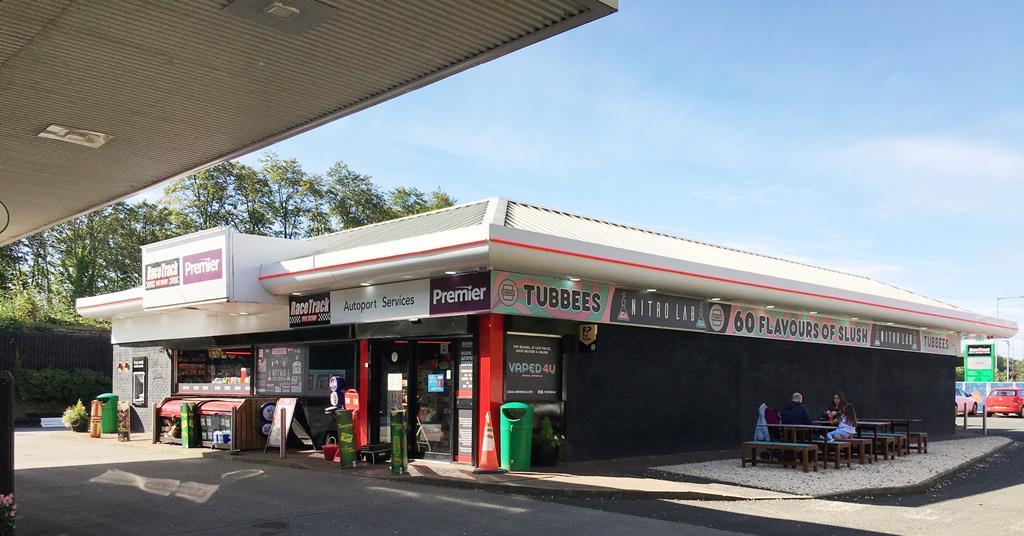
Guna Sud, whose family operates RaceTrack convenience stores in Greater Glasgow, said illicit trade has intensified and warned that the problem will worsen unless enforcement increases.
“Regulation and illicit trade are almost going hand-in-hand,” Sud said. She added that the illicit market existed before Scotland’s disposable vape ban, but based on what they have seen it is “ten-times stronger” since the ban took effect.
SGF said that retail crime, more broadly, is one of the biggest issues facing convenience stores and has estimated the cost to the sector in Scotland at about £100 million a year, averaging £19,500 per shop.
Mohammed Rajak, who has operated a convenience store in Glasgow’s East End for more than 30 years, said illicit trade is a growing challenge for compliant retailers and that enforcement capacity is insufficient.
SGF said that when it questioned members about the impact of the disposable vapes ban, about three-quarters agreed it had encouraged the sale and purchase of illicit products. It said shop owners identified rising costs and flavor restrictions as among the factors most likely to increase illegal sales.
The federation said it has issued compliance guidance to members and will continue engaging with the Scottish government as new vaping restrictions are developed. SGF said future rules should be designed to avoid fueling illicit trade and to reduce risks to retail staff, including verbal or physical abuse.
The Scottish Grocers’ Federation was established in 1918 and describes itself as Scotland’s trade association for the convenience retail sector.