By Timothy S. Donahue
Top Takeaways:
- Legal fallout: Retailers say supplier misrepresented THC compliance, triggering enforcement action
- Financial damage: Nearly $5 million frozen following raids and arrests tied to alleged illegal products
- Industry risk: Case highlights ongoing liability exposure across the hemp-derived vape supply chain
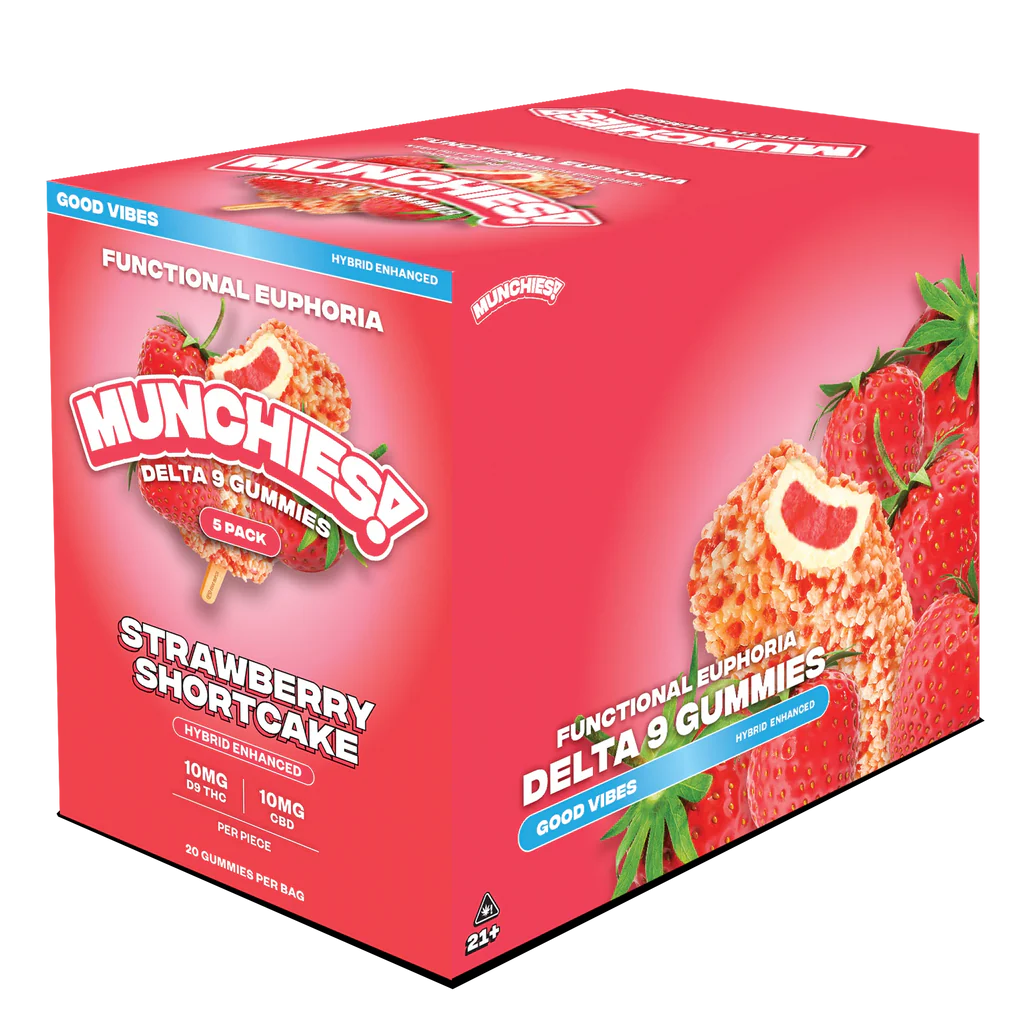
Two Texas smoke shop owners have filed suit against vape supplier Delta Munchies LLC, alleging the company sold products with illegal levels of THC while marketing them as compliant hemp, leading to law enforcement raids, arrests and the freezing of nearly $5 million in business funds.
According to the complaint, the plaintiffs say they relied on Delta Munchies’ representations that the products were lawful under federal and Texas hemp standards. They argue those assurances proved false when authorities determined the products violated state law, exposing the retailers to enforcement action despite their role as downstream sellers.
The lawsuit alleges that the retailers “reasonably relied” on the supplier’s certifications and marketing materials when purchasing and selling the products. The plaintiffs further contend that they had no role in manufacturing, testing, or labeling the products and instead relied on the supplier’s compliance claims.
Delta Munchies has maintained that its products were compliant, stating that they were “safe and certified for lawful retail sale,” according to the complaint. The consequences, the plaintiffs say, were immediate and severe.
One of the businesses was subjected to undercover purchases, followed by coordinated enforcement actions, including raids, seizures, and criminal charges. Authorities ultimately froze approximately $4.8 million in business funds and confiscated inventory linked to the alleged violations, according to the filing.
The plaintiffs are now seeking damages for financial losses, legal costs, and operational disruption, arguing that the enforcement actions stemmed directly from the supplier’s alleged misrepresentation regarding product legality. The case centers on a key compliance threshold.
Under federal law and Texas regulations, hemp-derived products must contain no more than 0.3% delta-9 THC on a dry-weight basis. Products exceeding that limit may be classified as illegal cannabis, exposing retailers to potential criminal liability regardless of intent.
That standard has become increasingly complex in practice, as regulators and enforcement agencies apply broader testing methodologies and scrutinize a wider range of cannabinoid compounds. The lawsuit highlights a growing tension in the hemp-derived vape market, where retailers often rely on supplier-provided testing and labeling to assess compliance.
In this case, the plaintiffs argue that their reliance left them vulnerable. They contend that responsibility should rest with manufacturers and suppliers who formulate and certify the products, not with retailers operating in good faith based on those representations.
If the court rules in favor of the plaintiffs, the case could set a precedent for shifting accountability to manufacturers and suppliers. If not, it may reinforce the expectation that retailers independently verify compliance—even in a highly technical and evolving regulatory environment.