By Timothy S. Donahue
Top Takeaways:
- Farmer viability: Outgoing ITGA President José Javier Aranda said that improving grower incomes must become a shared priority.
- Zimbabwe concerns: Agriculture Minister Dr. Anxious Masuka acknowledged disappointing prices and sharply higher production costs.
- Regional focus: Delegates warned that oversupply, rising costs and tightening regulation are placing increasing pressure on the long-term sustainability of tobacco farming.
The future of tobacco hinges on the financial viability of its growers.
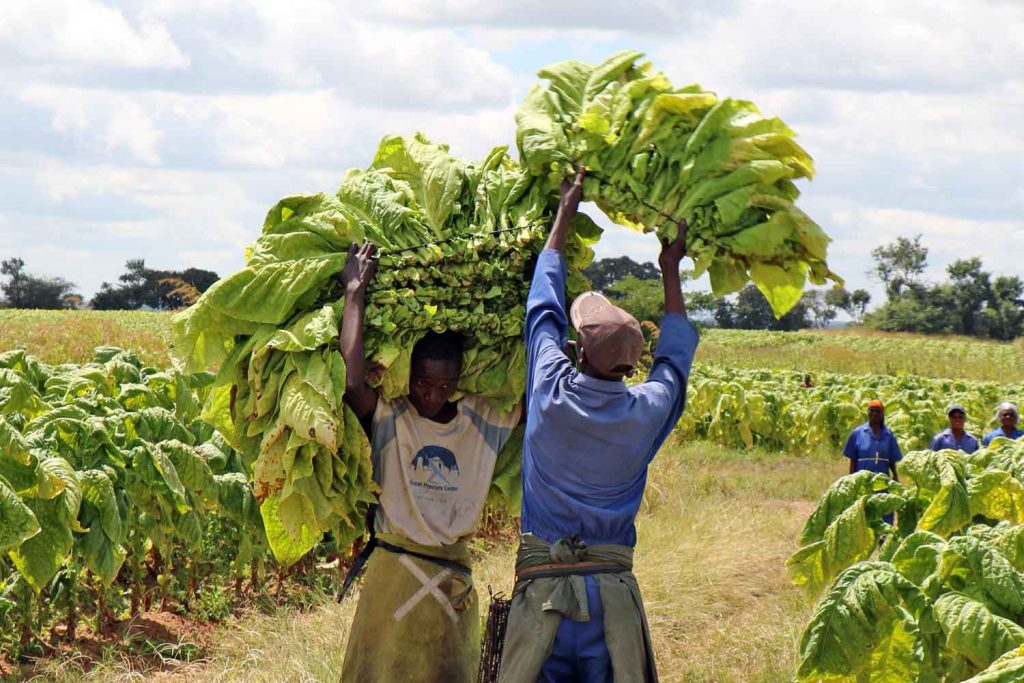
That was the central message delivered by outgoing International Tobacco Growers’ Association (ITGA) President José Javier Aranda at the ITGA Africa Regional Meeting 2026 in Zimbabwe. There, growers, merchants, manufacturers, and government officials gathered to discuss the economic pressures on tobacco production across Africa.
Speaking to delegates, Aranda said tobacco farmers continue to shoulder rising production costs, climate-related risks, and increasing regulatory demands, while receiving a shrinking share of the value created across the supply chain. “If we are truly committed to the future of our sector, improving growers’ economic well-being must become a shared responsibility,” Aranda said. “Without economically viable growers, there is no sustainable tobacco sector.”
Aranda, a fifth-generation tobacco grower from Argentina and leader of ITGA since 2021, has consistently argued that grower viability should be the foundation of sustainability efforts, maintaining that environmental, labor and regulatory initiatives cannot succeed unless farmers earn a living income.
Zimbabwe’s Minister of Lands, Agriculture, Fisheries, Water and Rural Development, Dr. Anxious Masuka, echoed many of those concerns, speaking both as agriculture minister and as a tobacco farmer.
Masuka acknowledged that Zimbabwe’s 2026 marketing season brought disappointing prices despite another strong crop. He also noted that tobacco production costs have risen by about 90% since 2017. He called for targeted support measures to improve grower profitability while preserving the competitiveness of Zimbabwe’s tobacco industry.
The discussions also highlighted growing pressure across the contracting system. Delegates noted that larger crops and softer global demand have created oversupply in some markets, squeezing merchants, contractors, and financing companies and making it harder to maintain profitable returns for growers.
Participants emphasized that stronger collaboration among governments, grower organizations, merchants, and manufacturers will be necessary to improve grower incomes and ensure long-term investment in tobacco production.
The Harare meeting brought together representatives from leading African tobacco-producing countries, including Zimbabwe, Malawi, Zambia, and Tanzania, along with executives from companies across the global leaf supply chain.
Sessions focused on global leaf market trends, contract farming, farmer livelihoods, sustainability, nicotine market developments, and the regulatory outlook for tobacco-producing countries. Speakers included representatives from Universal Leaf, Alliance One International, Pyxus International, Contraf-Nicotex-Tobacco, and Euromonitor International.